
Match playtime, companions and rule comfort to one simple bingo format.
At a local hall a newcomer can feel overwhelmed: callers shout free space and cards vary, while unfamiliar jargon makes the room seem faster than it is.
Top Offshore Bingo Casino Sites for September 2026

BetUS Casino
Welcome Bonus: 200% up to $5,000 CAS200
Collect a massive 200% Casino Sign-up Bonus up to $5,000 on your first deposit at the BetUS Casino. Enter promo code – CAS200 in the cashier when you make your first deposit to qualify for the bonus.



Slots Paradise Casino
Welcome Bonus: 250% Bonus up to $2,500 WELCOME1
Slots Paradise Casino dishes out a lively, almost addictive vibe with a layout that's easy on the eyes and ridiculously simple to navigate. You’ve got over 1,894 games to dive into—yeah, it’s that packed—ranging from flashy video slots that practically scream excitement to immersive live dealer tables where the action feels a bit too real. Honestly, there’s something in this digital playground for every type of player, whether you’re a laid-back spinner or someone who craves that live casino rush.

Match the game's length, the group's size and players' comfort with patterns to pick a low-pressure beginner format that keeps the focus social rather than confusing.
- Short sessions (10–30 minutes): one-line or single-pattern games.
- Small groups (4–12): shared cards, casual prizes, slower calling.
- Minimal rules: visual-pattern games with a steady caller.
Core beginner formats
Bingo beginners most often choose between three simple formats: 75‑ball, 90‑ball, and 30‑ball (speed). Each feels different to play and to run because of card layout, session length, pace, and the social atmosphere. Below are the practical differences that matter first.
75‑ball (standard American style)
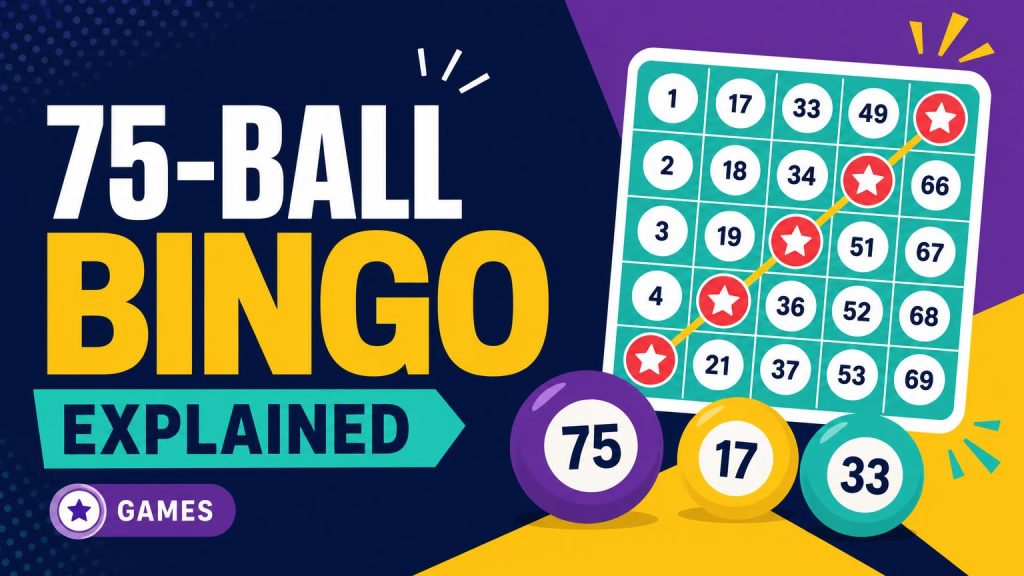
75‑ball uses 5×5 cards with a free centre and multiple pattern wins. It moves at a moderate pace, good for mixed groups and casual socials. For a clear, step‑by‑step look at card layout and what a winning card looks like, consult the how 75‑ball games work and win.
90‑ball (common in British halls)
90‑ball cards have three rows of five numbers (nine columns total) and usually award three prizes per game (one line, two lines, full house). Sessions run longer and feel more communal — slower calls, more chatter between numbers. See the full card explanation in how 90‑ball rules and layout work.
30‑ball (speed bingo)
30‑ball is fast: small cards, rapid calls, short sessions — ideal for quick rounds or warmups. Wins occur quickly and games are high‑energy; get a concise primer at what 30‑ball speed bingo is.
Quick comparison (practical takeaways):
- Card layout: 75‑ball = 5×5 grid, 90‑ball = 3×9 ticket, 30‑ball = compact mini‑cards.
- Session length: 75 moderate, 90 longest, 30 very short.
- Pace/social feel: 75 social–steady, 90 relaxed communal, 30 intense and sporty.
For hosts deciding which to run first, match the format to time, group energy and prize plan; differences between regional names and customs can change expectations — learn the regional distinctions in how housie compares to American bingo.

How patterns and specialty games change play
Patterns and specialty games reshape both the feel of a session and the practical choices players make. Some finish fast and create sudden tension; others stretch the round and reward steady coverage.
- Frame and line patterns — These focus attention on specific card areas, so rounds move briskly and players often buy fewer cards. For a clear walkthrough of common shapes and how they look on a ticket, consult the picture-frame and pattern examples.
- Coverall (blackout) — A slow, high-tension game: many numbers are needed before someone wins, so sessions last longer and excitement builds toward the end. Strategy tilts toward playing more cards and managing marks patiently; see a deeper guide to coverall here: what a coverall involves.
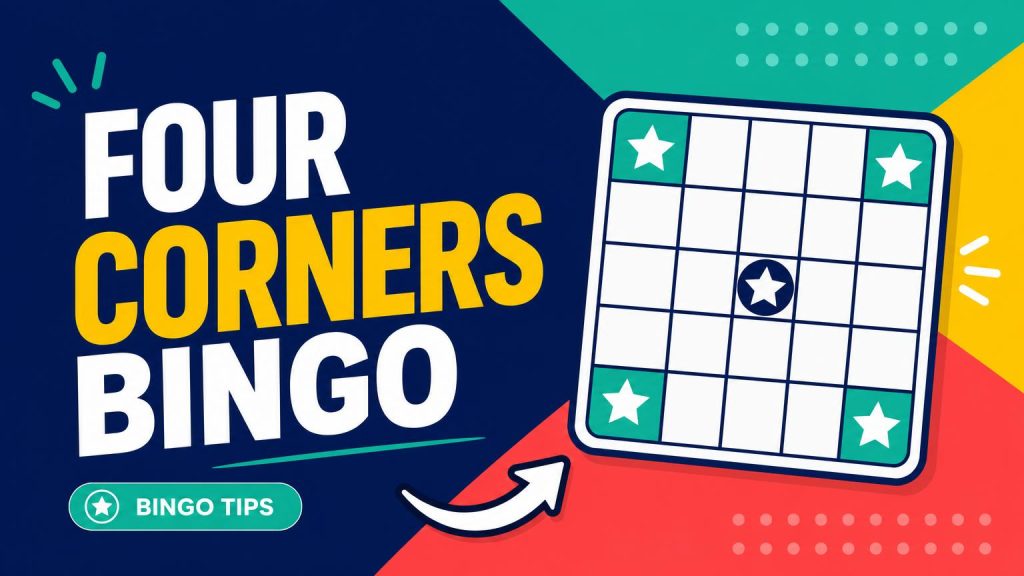
- Four corners — Fast and forgiving, it’s ideal for beginners because only four squares matter; action is steady and wins come quickly. Rules and simple tactics are outlined in this quick guide: four corners overview.
- Ten-line and multi-line games — These change judging and pacing by awarding partial wins across a ticket; play becomes about maximizing combinations rather than a single line. Read how multi-line scoring shifts strategy at ten-line explained.
Beginners find four corners and single-line/frame games easiest; use the pattern-reading tips to match attention and card choice to each game.

Choose a first bingo game
-
Time available
Session length shapes format choice. Short windows suit fast 30‑ball or single‑pattern rounds; evenings allow 90‑ball or coverall games.
Look forShort, quick rounds (30‑ball) for limited timeAvoidMarathon coveralls when time is tight -
Group size
Participant numbers change pace and competition. Large halls scale well to 90‑ball; small gatherings work best with single‑card patterns or 30/50‑ball.
Look forScalable formats (90‑ball) for big groupsAvoidSlow small‑group formats that overrun -
Accessibility
Sight, hearing, and mobility needs matter. Choose large‑print cards, slower callers, or electronic options when accessibility is important.
Look forLarge print or electronic displaysAvoidTiny cards and rapid callers -
Prize expectations
Prize size influences game structure. Big jackpots usually come from coveralls and longer sessions; modest social prizes fit quick lines or four‑corners.
Look forCoverall/jackpot rounds for sizable prizesAvoidSingle‑line quick games for large prize hopes -
Venue attention
Level of focus in the room should dictate complexity. Distracted venues prefer simple patterns and fewer cards; attentive crowds can handle multiple cards or specialty games.
Look forSimple patterns and one card in noisy settingsAvoidMany cards or intricate patterns when attention is low
Most beginners start with 30‑ball or a four‑corners pattern on a single card.
These choices keep rounds short, rules simple, and concentration manageable. Consider:
Short on time? Pick 30‑ball. Large group? Try 90‑ball in a hall. Limited attention or accessibility needs? Use large‑print cards or electronic play. Chasing a big prize? Look for coverall/jackpot sessions.Quick setup: what a new host needs
A smooth first session needs only a few dependable items so a game can be ready in an afternoon. Focus on portable, easy-to-use gear and one simple calling method.
A typical starter kit includes:
- Caller: a manual cage or dry-erase board, or an electronic caller for convenience. For community 90-ball events, consult the detailed buying advice for 90-ball sets.
- Cards: single-use paper sheets or laminated reusable cards with dry-erase markers.
- Markers: daubers, chips, or pens — lightweight and inexpensive.
- Admin: prize table, a bell or microphone, and a simple sheet to track winners.
Printable and pre-made paths: reusable printable 75‑ball cards are widely available and cut prep time if laminated (reusable printable 75‑ball cards).
Low-effort digital callers: smartphone apps, web-based callers that show and speak numbers, or prerecorded calling tracks work well. Keep a printed caller chart and a short glossary handy for new players (quick glossary of caller terms).
Quick checklist:
- Gather kit, test the caller, print cards.
- Run one practice game before players arrive.

Three first games to run — ranked and ready
-
1 — Social starter: 75‑ball (pattern rounds)
Best for relaxed mixed groups. Ideal group size 12–40; duration 45–60 minutes; 1–3 cards per player. Run list: announce the day's pattern(s) and prize structure, call numbers at a steady, conversational pace allowing time for socializing, confirm wins with a quick visual check and award small prizes, then switch pattern or reset cards for the next round.
-
2 — Short, energetic: 30‑ball (speed rounds)
Designed to keep tempo high and attention focused. Ideal group size 6–20; duration 10–20 minutes per session; 2–6 cards per player. Run list: state the single winning line before starting, call numbers briskly with minimal pause, require an immediate claim and fast verification, hand out quick prizes and start consecutive rounds to maintain momentum.
-
3 — Slightly harder follow‑up: Coverall (full card)
A stretch challenge that rewards concentration and patience. Ideal group size 8–30; duration 30–45 minutes for a full coverall; 1–4 cards per player. Run list: explain coverall goal and any checkpoints, slow the calling pace to let players scan entire cards, use two verifiers (or a photo) for claims, award a larger prize and finish with a light consolation or social round.
Simple rules that save time:
Limit cards for beginners: cap at 2–3 during early rounds so claims are quick to check. Announce the pattern and prize up front so players know when to claim. Repeat and display numbers: caller repeats each number twice; show a visible board or slide. Verify quickly: require two witnesses or a photo for coverall claims to avoid disputes. Rotate callers or assistants to keep energy up and reduce mistakes.Read patterns and verify wins
-
Listen for the pattern and rules
Note the exact pattern (line, two‑line, four corners, T, X, frame, coverall) and any rule quirks—speed rounds, wild numbers, or multiple winners.
-
Mark numbers promptly and clearly
Use a single marking method—dauber or small cross—so marks remain visible. Only mark after confirming the call matches a number on the card.
-
Visual cues for common patterns
Line: any straight horizontal row. Two lines: two complete horizontals. Four corners: the four outer squares. T: full top row plus center column. X: both diagonals. Frame/border: all outer squares. Coverall: every number filled.
-
Double‑check before calling
Scan the whole card (or cards) and replay recent calls in head to avoid miscalls; confirm free‑space rules.
-
Call clearly and follow verification
Announce the agreed phrase, hold the card up and allow host verification. If a call is wrong, accept it, learn and continue.
When playing multiple cards, stagger marking to reduce error.
Bingo Myths, Etiquette and Common Mistakes
More cards increase probability but make tracking harder and slow play.
Divided attention leads to missed numbers and disputes.
A win must be verified by the host before awarding.
Immediate shouts can cause false claims and interrupt the session.
Consistent marking and clear rules prevent confusion and complaints.
Ambiguity breeds disputes about wins and eligibility.
Listen to the caller; mark numbers visibly.
Don’t interrupt calls; raise a hand or use a token to flag a win.
If a number was missed, pause briefly and check nearby cards; hosts can repeat numbers.
For disputes, stop play, verify the card(s), and record the decision.
Keep drinks and phones off cards; neat marking avoids misreads.
Run your first session
See the article sections above for full rules, buying help, and pattern guides.
- Keep the first session simple to build confidence and avoid disputes.
- Clear calling and slow pacing prevent missed marks and verification errors.
- Use a practice round to adjust pace, card counts, and patterns for the group.
Start small and slow. A single practice game exposes timing issues and player questions. Refer to the earlier sections for detailed rules, buying advice, and pattern examples before scaling up.